Integrated striking and grappling
MMA classes teach how to blend boxing, Muay Thai, wrestling entries, cage control, takedown defense, and submission awareness. Students learn when to strike, when to close distance, and how to stay dangerous during transitions. That integration is what separates MMA training from taking separate classes without a system behind them.
A room built by people who compete
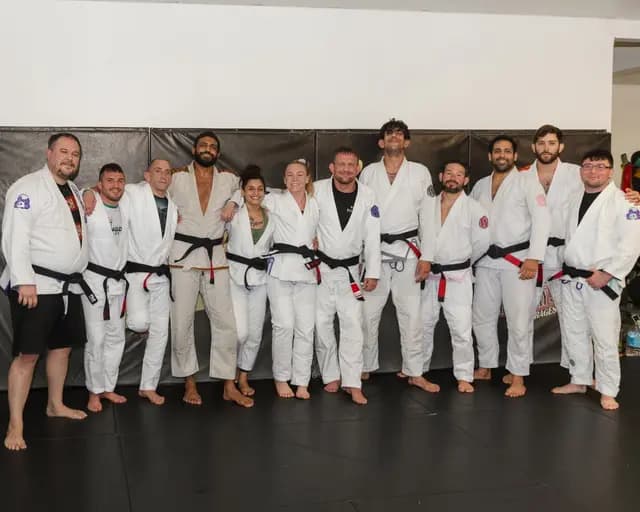
Our staff and athletes understand competitive preparation, weight-cut realities, hard rounds, and the details that matter in real fight camps. Even if you never step into a cage, training in that environment gives you sharper habits, better accountability, and more realistic feedback.
Start with the right class mix
Some new students enter MMA directly. Others start with BJJ or Muay Thai and build into the MMA room once their base is stronger. We will help you map that path during your consultation so you are progressing instead of guessing.
What an MMA gym should teach that single-discipline gyms cannot
MMA training is not just harder sparring. It is learning how striking, wrestling, clinch work, wall work, and submission grappling connect when the space changes and the consequences of a bad decision multiply. A strong MMA room teaches transitions, not just isolated techniques. That is why many students build their base in BJJ or Muay Thai first, then use MMA classes to learn how those skills function inside a more complete, faster decision environment.
A path for aspiring fighters and serious hobbyists
Some students want competition and fight-camp structure. Others simply want the challenge of learning a complete combat system. Both belong here. Our job is to direct each student toward the right class mix, the right pace, and the right expectations. That means helping new students build fundamentals without false urgency and helping experienced athletes sharpen the rounds, recovery habits, and accountability required for serious MMA progress.