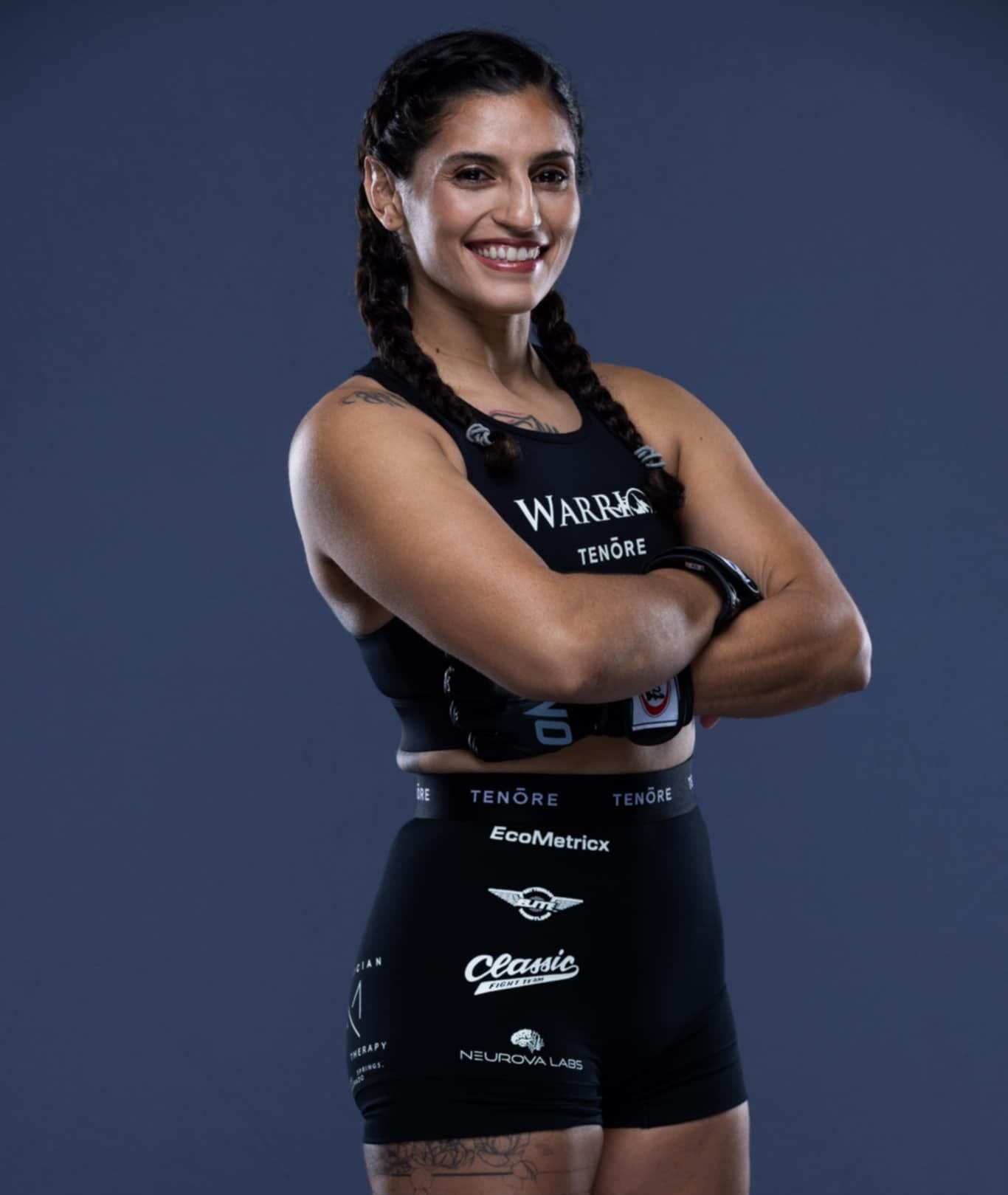
Natalie Salcedo
Brazilian Jiu-Jitsu · MMA · Muay Thai
- ★Peak Fighting Championship Atomweight Champion
- ★ONE Championship MMA Fighter
- ★Jiu-Jitsu Black Belt
Youth Grappling · Colorado Springs
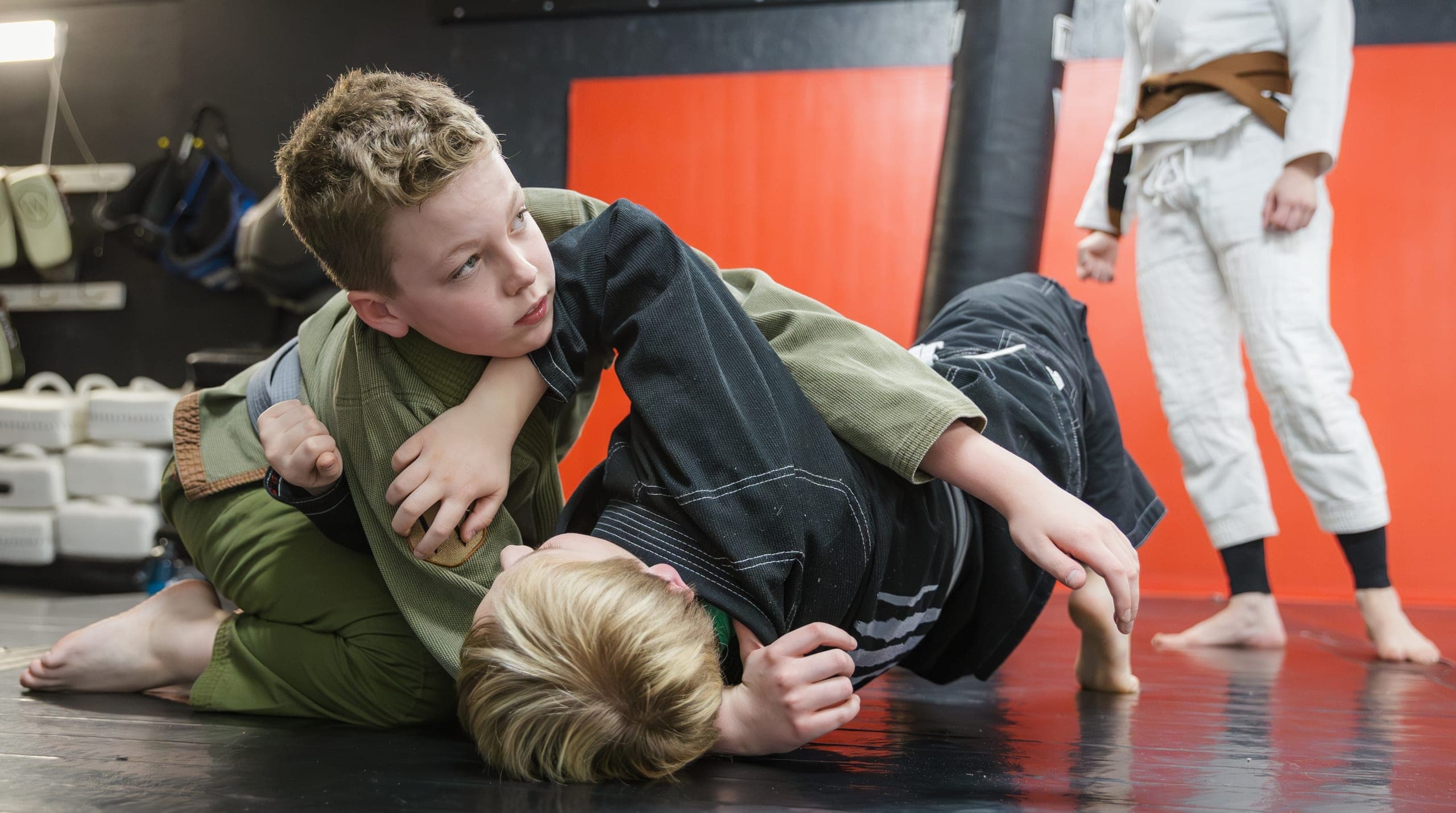
Age-appropriate Brazilian Jiu-Jitsu on the same Chris Haueter lineage as the adult program, with control, escapes, and a real youth belt system.
 ★ First 7 days free
Kids learn real BJJ: positional control, escapes, and problem-solving, with no live sparring for the youngest age band.
A youth belt system distinct from the adult belts. Promotions are earned through attendance, growth, and conduct, never bought.
White
First steps
Listening, safety, and basic positions.
Gray
Building
Core movement and control, earned with stripes.
Yellow
Growing
Escapes, guard, and problem-solving on the mat.
Orange
Sharpening
Combinations and confidence under light pressure.
Green
Advanced youth
The top youth rank before the teen/adult path.
The Lineage
Kids BJJ is taught with the same technical lineage as the adult program. Head coach Ben Westrich is a Chris Haueter black belt, and your child learns real Brazilian Jiu-Jitsu, scaled to their age, not a watered-down version.
On the mat
Position, balance, and staying calm under pressure.
Getting out of bad spots safely, the first thing we teach.
Age-appropriate entries and safe landings.
Introduced carefully as kids grow through the belts.
The coaching room
Brazilian Jiu-Jitsu · MMA · Muay Thai
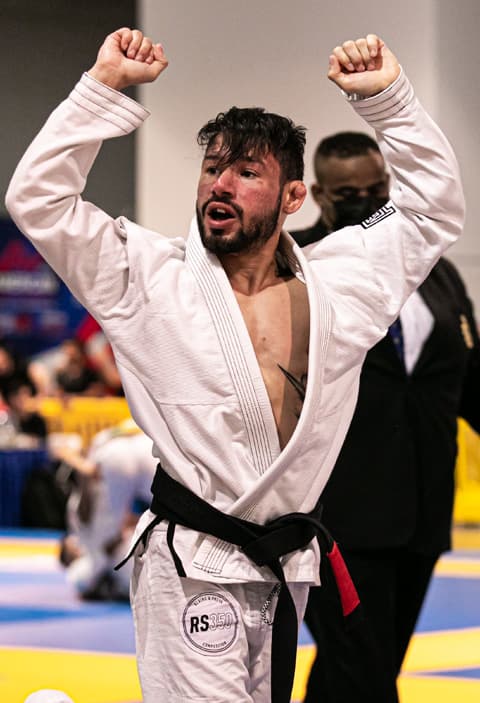
Brazilian Jiu-Jitsu · Grappling
This week
Open each day to see every youth class tied to this program, then visit the full schedule to compare age groups and first-visit options.
| Day | Time | Class | Level |
|---|---|---|---|
| Monday | 04:30 PM | Kids BJJ | Intermediate / Advanced / Ages 6 to 14 |
| Monday | 05:00 PM | Kids BJJ (Minis) | Ages 3 to 6 / Ages 3 to 6 |
| Monday | 05:30 PM | Kids BJJ | All Levels / Ages 6 to 14 |
| Tuesday | 05:30 PM | Kids Muay Thai | Beginner / Ages 3 to 14 |
| Tuesday | 06:30 PM | Kids Muay Thai | Intermediate / Advanced / Ages 3 to 14 |
| Wednesday | 04:30 PM | Kids BJJ | Intermediate / Advanced / Ages 6 to 14 |
| Wednesday | 05:00 PM | Kids BJJ (Minis) | Ages 3 to 6 / Ages 3 to 6 |
| Wednesday | 05:30 PM | Kids BJJ | All Levels / Ages 6 to 14 |
| Thursday | 05:30 PM | Kids Muay Thai | Beginner / Ages 3 to 14 |
| Thursday | 06:30 PM | Kids Muay Thai | Intermediate / Advanced / Ages 3 to 14 |
| Friday | 05:00 PM | Kids BJJ (Minis) | Ages 3 to 6 / Ages 3 to 6 |
| Friday | 05:30 PM | Kids BJJ | All Levels / Ages 6 to 14 |
Most kids can begin BJJ around age 4–5, depending on attention span, comfort following directions, and physical readiness. We will assess fit during a consultation and place your child in the right age band.
Younger students do not free-roll; their live work is structured positional games and light, supervised drilling. Older kids who have built fundamentals graduate into longer positional rounds and eventually full rolling, always at a controlled, coach-supervised intensity.
Yes. Kids BJJ uses white, gray, yellow, orange, and green belts with stripes for progress within each rank. The adult belts (blue, purple, brown, black) start at age 16. The youth system is designed to keep kids motivated through reasonable progression intervals while still requiring real growth.
Only when age, skill, and supervision allow. The youngest band does positional games and structured drilling, no live rolling. Older kids who have built fundamentals progress into matched positional sparring, and eventually full rolling, always size- and experience-matched and coach-supervised.
Many parents say yes, not because their child becomes more aggressive, but because BJJ builds quiet confidence, body composure, and the knowledge that they can handle a physical situation if it ever comes. Kids who train BJJ are usually less likely to get into fights, not more.
The Kids Jiu Jitsu Only tier covers all Kids BJJ classes. The Kids All-Inclusive tier adds Kids Striking. We also offer a family cap for households with multiple kids. See the pricing page for current rates or book a consultation.
Yes if they want to. Local youth BJJ tournaments run regularly in Colorado, and coaches can help your child prepare and pick events that match their level. Competition is fully optional, many kids train for years and never enter a tournament.
Wait until after the first visit to buy a Gi. Sizes vary by brand and kids grow fast; staff can advise. Members receive substantial gear discounts through the gym.
Hours
Phone
Serving
Colorado Springs, Fort Carson, Fountain, and Security-Widefield.
Direct answers from our coaches and staff
Areas We Serve
Warrior Fitness Center is on Drennan Rd in Colorado Springs, making it a practical training option for nearby military members, adults, and families comparing local gyms.
Veteran-owned BJJ, striking, MMA, and kids programs close to post.
A practical drive for adults, beginners, and families south of Colorado Springs.
Structured adult and youth training without crossing the whole city.
Gi and No-Gi Brazilian Jiu-Jitsu for military members and nearby adults.
Technical striking, pad work, and beginner-friendly coaching near post.
Youth BJJ and striking paths for military families.
A stronger grappling room for Fountain students and beginners.
Structured kids classes for confidence, discipline, and consistency.
Kids
A practical guide for parents in Colorado Springs whose kids are starting Brazilian Jiu-Jitsu, what to bring, how class is structured, safety, and what kids will actually be doing.
Read ArticleBJJ
Everything you need to know before your first Brazilian Jiu-Jitsu class at Warrior Fitness Center in Colorado Springs.
Read ArticleWarrior Fitness Center
Book a free consultation and we'll match you to the right Kids BJJ class for your pace, level, and schedule.